

Key Takeaways
Buying used goods
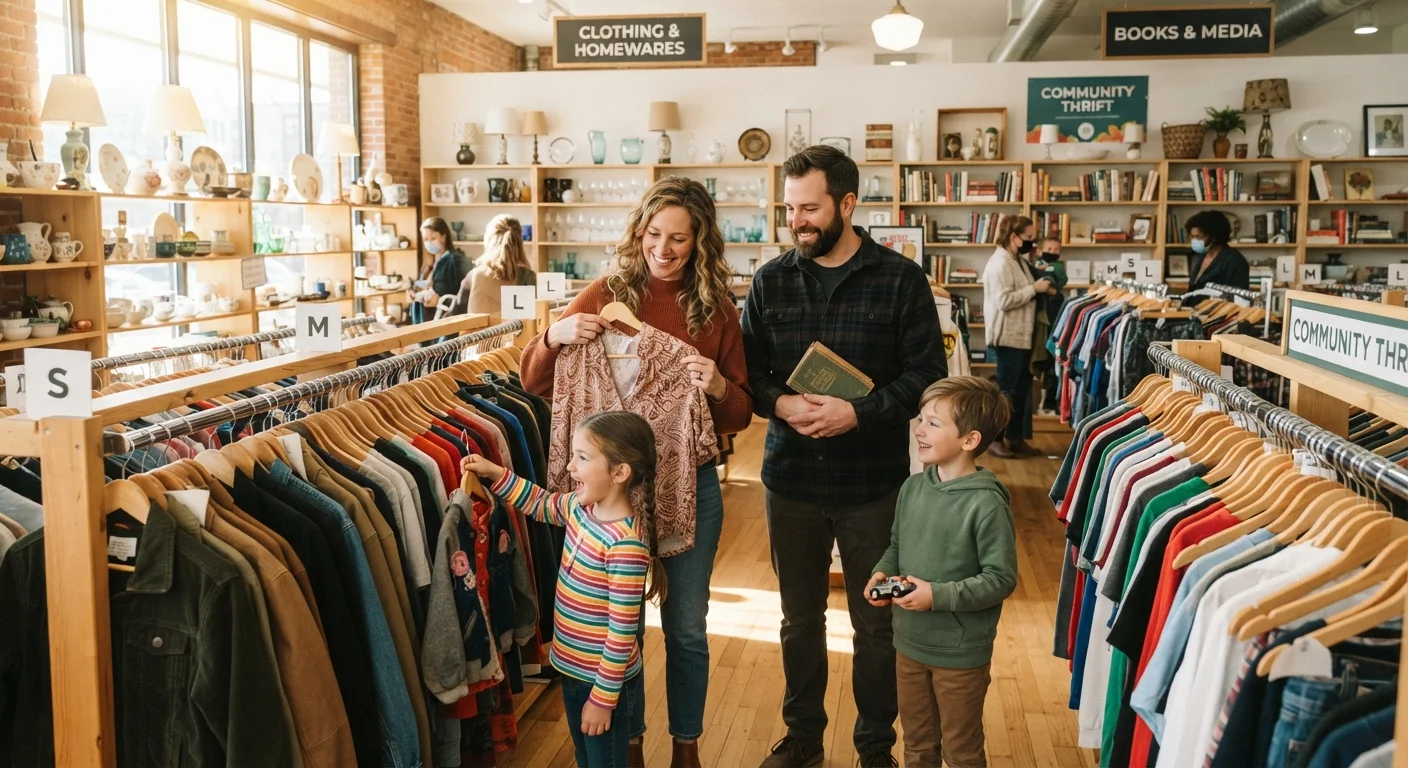
Buying used goods means purchasing pre-owned items, whether clothing, furniture, electronics, or tools, from resale shops, online marketplaces, estate sales, or neighbors. The items were owned by someone else first but still have useful life remaining. For families, this approach can stretch a budget without giving up quality.
The resale market is sometimes segmented into 'secondhand' (general used goods), 'vintage' (typically 20 or more years old), and 'refurbished' (professionally restored electronics or appliances). Each category carries different pricing norms and quality expectations.
Why families are turning to resale
The resale market in the United States has grown considerably over the past decade, with more families treating secondhand shopping as a planned strategy rather than a last resort. Inflation in household goods, clothing, and furniture has pushed many shoppers to reconsider where they buy, not just what they buy.
For families with children, the case is particularly clear. Kids outgrow shoes in a matter of months, use a bicycle for two or three seasons, and need new backpacks every fall. Paying full retail price for things that will be outgrown before they wear out is one of the fastest ways to overspend. Buying used shifts that math considerably. For a deeper look at how spending choices compound over time, the distinction between frugal and cheap is worth understanding before building a resale habit.
Categories that deliver the most value used
Not every product category is equally well suited to resale. Some items age gracefully and hold their function; others degrade in ways that are not visible at the point of sale.
Children's clothing is widely considered the highest-value category. Kids outgrow clothes before they wear them out, so secondhand pieces are often in near-new condition. The same logic applies to maternity clothing, which is worn for a limited period.
Furniture is another strong category, particularly solid wood pieces. A well-made dresser or dining table can last generations. Upholstered furniture requires more careful inspection for stains, odors, and pests, but structurally sound pieces can be cleaned and refreshed. For ideas on using what you own more intentionally, see how capsule thinking applies to family purchasing.
Books, board games, and toys are straightforward resale wins. A book reads the same whether it cost $18 new or $1 at a thrift store. Board games are worth checking for complete piece sets before purchase.
Kitchen equipment like cast iron pans, stand mixers, and ceramic bakeware often outlast the original owner. Inspect for cracks and test any mechanical parts.
$65B+
Estimated U.S. resale market size
According to ThredUp's 2023 Resale Report, the U.S. secondhand apparel market alone was projected to exceed $65 billion by 2026.
40%
Shoppers who bought used to save money
ThredUp's 2023 report found that roughly 4 in 10 secondhand shoppers cited saving money as their primary motivation for buying used goods.
3x faster
Secondhand market growth vs. overall retail
Industry analysts have tracked the resale segment growing at a rate roughly three times faster than traditional retail over the past several years.
What to skip in the used market
Some purchases deserve a new price tag, even when budgets are tight.
Car seats and bike helmets should almost always be purchased new. A car seat that has been in a collision may look fine but have structural damage that reduces its protection. Helmets absorb impact by compressing internal foam, and a helmet that has taken a hard hit is compromised even if the exterior is intact. There is no reliable way for a buyer to verify the history of these items.
Mattresses are another category where most consumer groups advise caution. Hygiene and the risk of bed bugs are practical concerns, though some families do purchase used mattresses with protective covers and careful inspection.
Older cribs and infant sleep products may not meet current Consumer Product Safety Commission standards. Drop-side cribs, for example, were banned for sale in the United States in 2011. Always verify that any infant sleep product meets current federal safety guidelines before use.
How to shop used goods without regret
Going into a thrift store or scrolling a resale app without a plan is a reliable way to spend money on things you did not need. A short list of actual needs, written before you start, prevents impulse buys that still cost money even at a fraction of retail.
When buying in person, take time to examine items closely. Check clothing seams and zippers. Open drawers on furniture to test the sliders. Plug in electronics if an outlet is available. For larger purchases from private sellers, meeting in a public place and bringing a knowledgeable friend is a reasonable precaution.
For items you only need occasionally, buying used may not even be necessary. Renting versus owning is worth thinking through for tools, party supplies, or camping gear before committing to a purchase at any price point.
Inspect before you commit
Bring a small flashlight to thrift stores to check seams, joints, and labels in dim lighting. For electronics, ask the seller if you can test the item before finalizing any transaction. A few minutes of careful inspection can prevent a purchase you will regret within a week.
Matching the platform to the product
Where you shop used matters as much as what you buy. Thrift stores run by nonprofit organizations price items low and turn over inventory quickly, which makes them good for clothing, books, and small housewares. Consignment stores tend to price higher but also curate more carefully, which can reduce the work of sorting through lower-quality items.
Peer-to-peer platforms work well for larger items that are impractical to transport to a store. Furniture, appliances, and outdoor equipment are common finds. The trade-off is that there is typically no return policy, so inspecting before you commit matters more.
Estate sales, held when a household is being cleared, often have tools, kitchenware, and furniture priced to move. Arriving early gives the best selection; arriving late sometimes brings steeper discounts on remaining items.
For families who also want to apply budget thinking across other areas, the Home and Garden hub has practical guidance on maintaining and improving your home without overspending.