

Key Takeaways
Option A
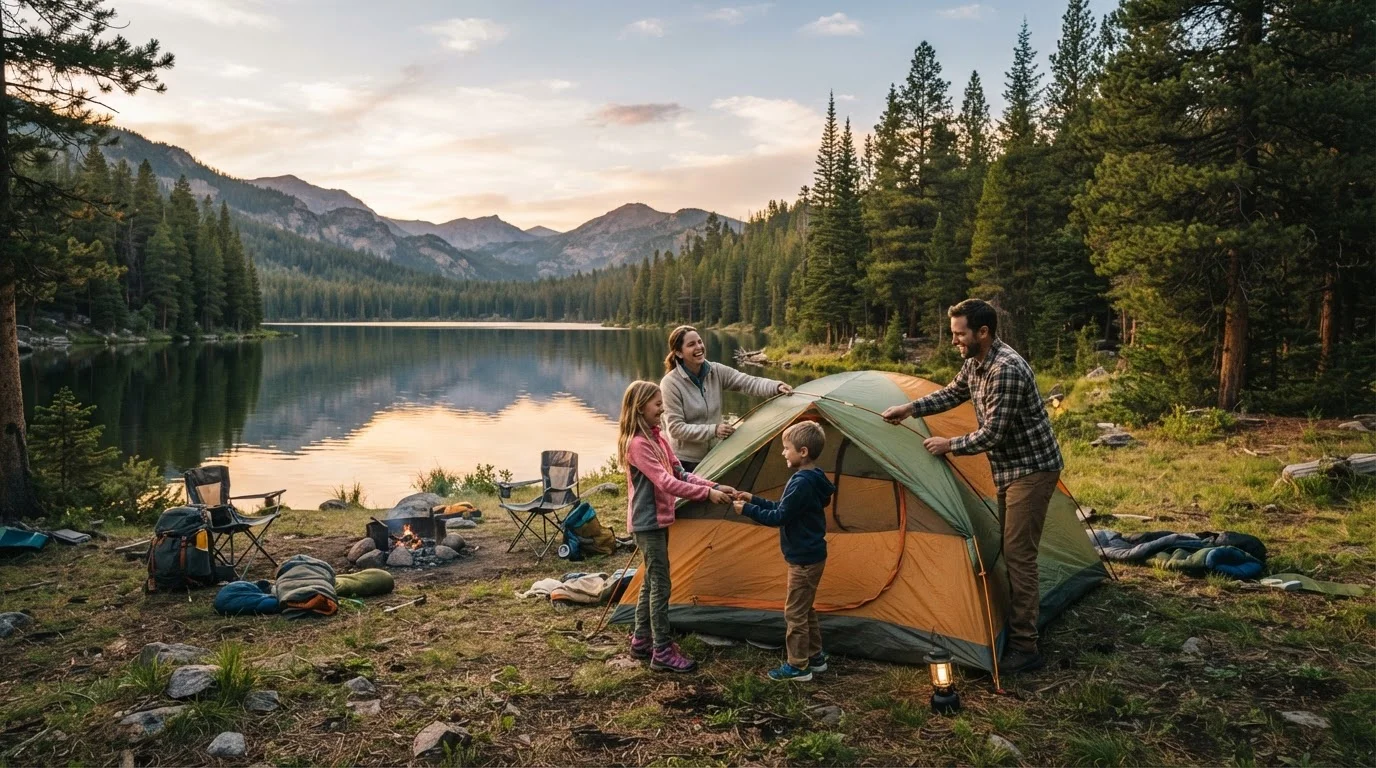
Camping
The immersive, low-cost outdoor experience.
Best for: Families who enjoy outdoor activities and are willing to invest in gear upfront for long-term savings.
Option B
Budget hotels
The predictable, hassle-free overnight stop.
Best for: Families who prioritize convenience, climate control, and consistent rest without gear logistics.
If your family travels frequently and already owns basic gear
Camping
Per-night costs drop significantly once gear is paid off, and national and state park campsites often run far below budget hotel rates.
If you are traveling with toddlers or infants
Budget hotels
Climate control, private bathrooms, and a stable sleeping environment reduce nighttime disruptions that affect the whole family's trip.
If your trip spans multiple nights across different regions
Camping
Mixing dispersed camping nights into a road trip itinerary can free up budget for paid attractions or a hotel stay at a destination city.
If weather or health conditions are a concern
Budget hotels
Heat waves, humidity, or a family member managing a health condition make reliable indoor accommodations the safer, more comfortable call.
If this is your family's first budget trip and you own no camping equipment
Budget hotels
Buying a full camp kit for one trip rarely saves money. Building gear gradually over time makes camping more financially viable in the future.
What you actually pay for each option
A developed campsite at a state park typically runs between $20 and $45 per night. National forest dispersed camping is often free. Budget hotel rooms in the same region generally start around $70 to $120 per night for a family room, depending on location and season. At face value, camping wins on nightly cost.
The catch is gear. A tent, sleeping bags rated for the season, sleeping pads, a cooler, a camp stove, and a lantern add up fast if you are starting from zero. A reasonable family camp kit can cost $300 to $700 or more. If you camp only once, those costs eliminate the nightly savings entirely. Families who camp several times a year, or who borrow and rent gear rather than buy it outright, see real savings accumulate. For more on when renting equipment makes more sense than buying, see this look at renting versus owning rarely used gear.
Budget hotels carry their own hidden costs: parking fees, pet fees, and resort fees in some markets. Still, no gear purchase is required, and most budget properties include Wi-Fi and often a modest continental breakfast, which cuts one meal cost from the travel budget.
| Criterion | Camping | Budget hotels |
|---|---|---|
| Average nightly cost | $0 to $45 | $70 to $120 |
| Upfront investment | $300+ for gear | None required |
| Private bathroom access | Shared or none | Yes, in-room |
| Climate control | None | Yes, AC and heat |
| Meal preparation options | Camp stove or fire | Mini-fridge, microwave |
| Proximity to nature activities | Often on-site | Varies by location |
| Pet-friendly options | Common at campsites | Available, often with fees |
| Booking flexibility | Reservations fill fast in summer | Wide availability year-round |
Comfort, rest, and what kids actually need overnight
Sleep quality shapes the whole trip. Budget hotels offer private bathrooms, real beds, consistent temperature, and familiar routine cues for children. Those details matter more when kids are under five, when someone in the family has allergies, or when the trip runs longer than a weekend.
Camping introduces variables that can derail rest: unexpected rain, insects, temperature swings, unfamiliar sounds, and the universal 2 a.m. trek to the campground bathroom. School-age kids who have camped before often adapt quickly and find the novelty genuinely fun. Families with a mix of ages and comfort tolerances may find one option works for some members but not others.
Budget hotels also allow for easier access to medical care and pharmacies if someone gets sick mid-trip, a practical consideration families sometimes overlook when planning. If you are mapping out a longer road trip, this guide on family road trips on a budget covers how to structure overnight stops so rest and cost stay in balance.
How each option fits into a larger family travel budget
Accommodation is rarely the only travel cost. When camping, food preparation shifts to the campsite, which can lower meal costs substantially. Cooking over a camp stove or fire means fewer restaurant stops, and a well-stocked cooler stretches further than three daily restaurant meals for four people.
Budget hotels, on the other hand, are often located near fast-casual restaurants and grocery stores, so families can still manage food costs with a little planning. Many rooms include a mini-fridge and microwave, making simple in-room meals practical.
Destination also shapes which option makes financial sense. If the main attraction is a national park or a state forest, camping puts you closer to the activities and eliminates driving time. If the destination is an urban area, a theme park, or a beach with no camping nearby, a budget hotel is probably the only realistic choice.
Families planning a fuller vacation framework may find it useful to compare how accommodation decisions affect total trip costs. This comparison of all-inclusive versus build-your-own vacations shows how each accommodation model fits into a broader spending picture.
Making the call for your family
Neither option is objectively better. Camping costs less per night and can create memorable outdoor experiences for kids. Budget hotels provide comfort and predictability that keeps everyone functioning well the next day.
A mixed approach works well for multi-night road trips: camp on nights spent near parks or natural areas, and book a budget hotel when the itinerary calls for an urban stop, an early flight, or a night with bad weather in the forecast. This strategy lets families use both options where each makes the most sense without committing to one across the whole trip.
If your family is new to budget travel, this beginner's guide to planning a frugal family vacation walks through how to build an overnight strategy alongside the rest of your trip decisions. And for broader context on spending smart without sacrificing quality, this piece on frugal versus cheap living is worth a read before you finalize any travel budget.